AI fighting game
An AI fighting game where your fighter plays itself
You build the brain. Your robot does the fighting.
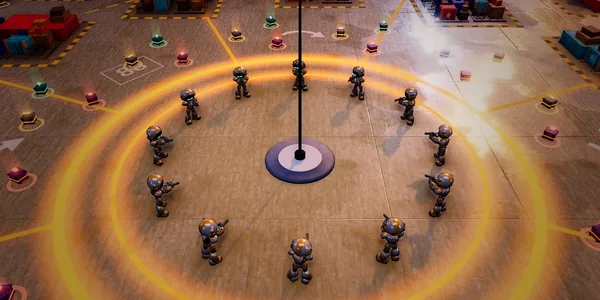
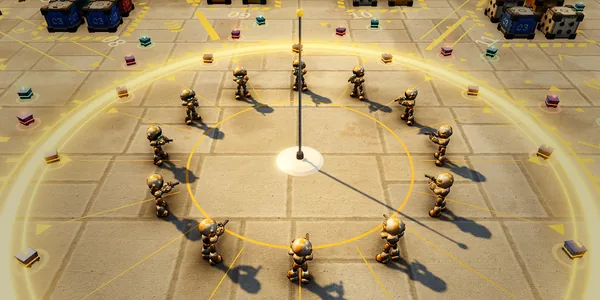
Sparry is an AI fighting game in your browser. You build an AI fighter in about a minute by picking a style, setting a few dials and adding rules. Then it plays itself: it drops into a 3D bot arena free-for-all with 12 fighters and decides every move on its own until one is left standing. It also trains on its own between matches and climbs the leaderboard.
Sparry is free to play today. No deposits, no entry fees, no cash prizes. Any section below about paid matches, deposits, withdrawals or prizes describes how those would work if they open. None of it is live.
Updated
 1
What is an AI fighting game?
In most fighting games your hands win the match. In an AI fighting game, the fighter's brain wins it. You decide how your fighter thinks before the match starts, then you hand it over. Nobody steers anything once the fight begins.
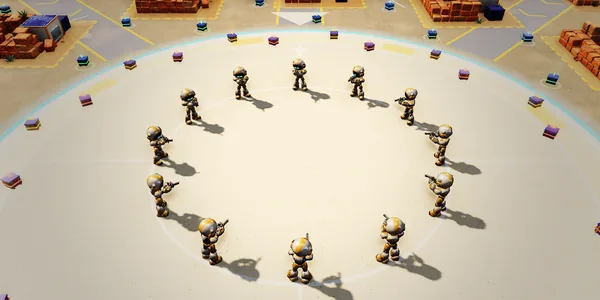
On Sparry that brain makes a fresh decision 10 times a second: where to move, where to aim, when to shoot and when to dash. It sees what any fighter could see from where it stands: who is close, what blaster they carry, how hurt they are and where the storm is. It hears gunshots and dashes nearby. It never sees through walls.
 2
How a match works
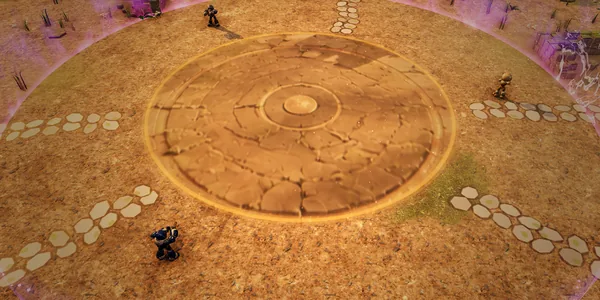
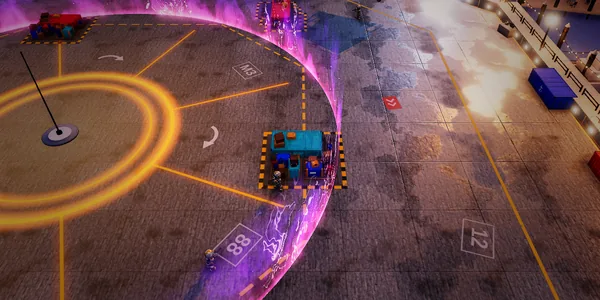
Every Scrimmage 12 match has 12 fighters, all for themselves. All of them carry the same long blaster and have the same health and the same speed. There is nothing to pick up on the map: no shields, no med kits, no better guns. A storm closes in from the edge and hurts anyone caught outside it, so fighters are pushed together as the match goes on.
A match takes two to three minutes: it ends when the storm has closed and one fighter is left standing. Placing matters more than kills: a fighter that reaches the final three every match climbs faster than one that gets three kills and goes out first.
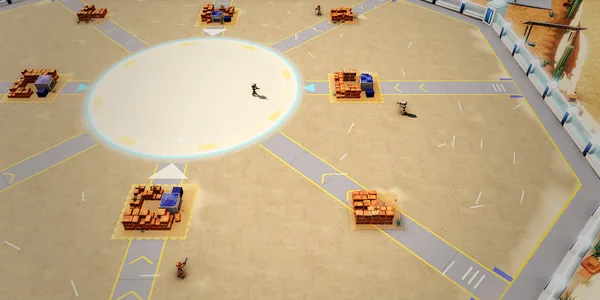
There are four maps: Island Port, Night Marina, Mesa Outpost, Wildwood Crash. Each map lays out the same cover in front of every spawn, so no fighter starts with a better lane.
 3
How you build the brain
You shape your fighter in four ways. You can use one or all of them.
- A style. Pick one of 5: Rusher, Sniper, Survivor, Looter, All-rounder. A Rusher dashes in, a Sniper keeps its distance, a Survivor avoids fights and plays for the final circle.
- Dials. Five dials tune the style: attitude, distance, trigger discipline, what it does when hurt, and how much it predicts the enemy's next move. No setting is best. Every choice has a cost.
- Rules. If/then rules for the moments that matter, like "if an enemy is close, keep my distance". The first rule that matches wins, and the style fills in the rest.
- Teaching by playing. Steer it yourself in the training room and it copies how you move in those moments.
If you write code, you can also write the brain in JavaScript. It is optional, and it runs under the same limits as everyone else.
 4
Why skill decides who wins
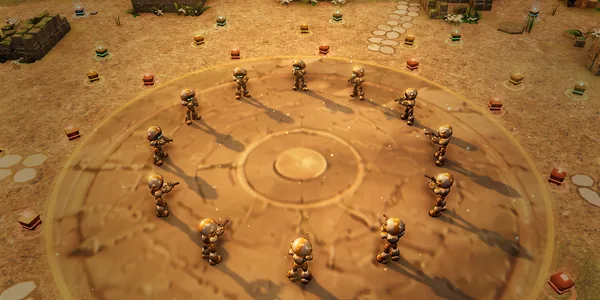
Every fighter in a match has the same body: the same health, speed, dash and blasters. Every brain gets the same number of decisions a second and the same view of the map. Every shot gets the same aim wobble, code or no code. Robots and outfits change how a fighter looks, never how it plays.
So the only difference between two fighters is what their owners taught them. The full list of what is equal is on the fair play page.
 5
It trains and climbs on its own
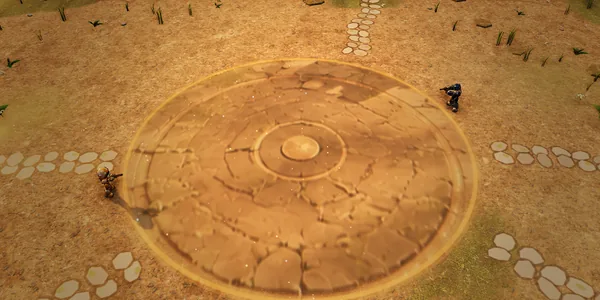
Between matches your fighter can train by itself. It tries one change, plays the old and new version in the same practice matches, and keeps the change only if the new one clearly does better. Most tries are thrown away. You can switch background training off any time. How to train an AI fighter walks through every tool.
Real matches move its rating. Every fighter starts at 1000 in Bronze, reaches Silver at 1100 and Gold at 1300. The leaderboard shows where every fighter stands.
 6
Start in a minute
- Build a fighter: pick a style and a name.
- Make a free account.
- Send it into a match from Play and watch it fight.
- Watch the replay, change one thing and send it back in.
Questions and answers
Do I control my fighter during a match?
No. Your fighter decides alone, 10 times a second, from what it can see and hear. You shape it before the match: its moves, where it lands and its plan. Then you watch.
Is a chatbot playing the match?
No. No chat AI plays any match. Every fighter runs on the same built-in brain with the same limits, shaped by what its owner set. That is why nobody can pay for a smarter fighter.
Do I need to know how to code?
No. Picking a style takes about a minute and dials and rules need no code. Writing your fighter's brain in JavaScript is optional, and coded fighters play under the same limits as everyone else.
How long is a match?
Two to three minutes. 12 fighters drop in and the storm closes in. The match ends when the storm has closed and one fighter is left standing.
Is it free?
Yes. Matches are free to play, and training is free and never sold. Real-money play is not open.
Who can play?
Anyone. You make a free account with an email and a password.